
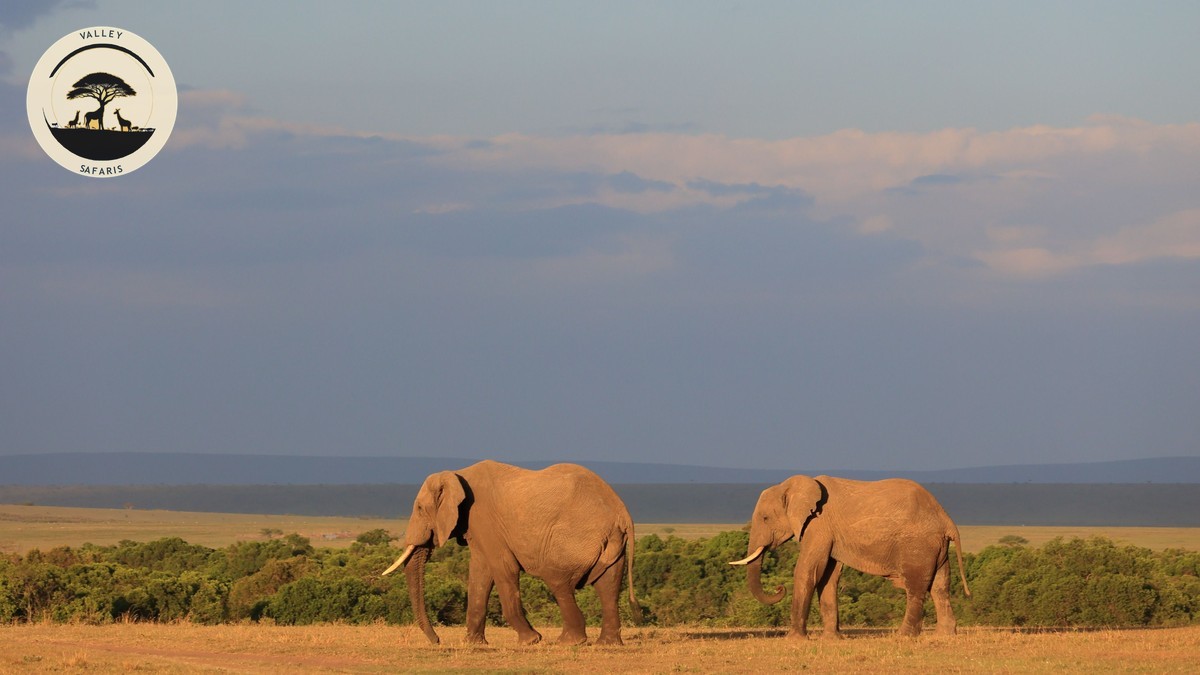
If you have already done a Mara circuit and you are looking north toward Samburu, Laikipia, or the Kaya forests, Reteti Elephant Sanctuary Samburu probably came up in your research. It should. This is the first elephant sanctuary in Africa that is owned and run entirely by the local community, and it sits in a part of Kenya most first-time visitors never reach.
I have driven guests up to Reteti more times than I can count. I want to give you the version of this visit that the operator blogs skip: real prices, real drive times, and an honest answer on whether it is worth the detour.
What Is Reteti Elephant Sanctuary Samburu
Reteti opened in 2016 inside the Namunyak Wildlife Conservancy, in Samburu County, roughly 340 km north of Nairobi as the crow flies. It was built and is still run by the Samburu community, with funding support from partners like Conservation International and the Kenya Wildlife Service.
What makes it different from every other elephant rescue in East Africa is ownership. The land is community land. The keepers are Samburu men and women from the surrounding villages, several of them the first female elephant keepers in Kenya’s history. The milk comes from local livestock keepers who supply the sanctuary daily. Reteti is not an NGO operating on someone else’s land. It belongs to the people who live there.
The sanctuary rescues orphaned and abandoned elephant calves from across northern Kenya, most of them separated from their herds by drought, wells, or human conflict. Once old enough and strong enough, the elephants are released back into the wild herds of Namunyak and the wider Ewaso ecosystem. Reteti currently cares for around 30 to 40 elephants at any given time, a number that shifts as calves graduate back to the wild.
Entrance Fees and Donations
Here is where the online sources disagree, and I want to clear it up. You will see figures anywhere from 25 dollars to 75 dollars quoted for a Reteti visit, and both numbers are technically true depending on what they are describing.
The lower figure, around 25 dollars per adult, reflects the standard visitor donation for the public viewing slot at the feeding platform. The higher figure, closer to 75 dollars, usually reflects a private or extended visit arranged through a camp. That total is sometimes bundled with a separate conservancy fee for Namunyak itself.
As of 2026, budget on 25 to 30 dollars per adult for the standard visit, plus a Namunyak Conservancy fee of roughly 20 to 25 dollars per person per day if you are staying or driving through the conservancy. Children under 12 typically pay a reduced rate. These numbers move, so confirm the current figure when you book, but do not be alarmed if two sources quote different totals. They are usually answering different questions.
How to Get There
There are several practical ways in, ranging from a short hop from a nearby camp to a full day’s drive from Nairobi. The road distance from Nairobi is the reason most people fly rather than drive the whole way.
| Route | Distance / Time | Notes |
|---|---|---|
| Road from Nairobi | approx. 400 km, 8 to 9 hours | Long day, rough final stretch, needs a 4WD |
| Scheduled flight to Kalama airstrip | 1 hour flight, then 45 min to 1 hour drive | Kalama sits inside Namunyak, the closest airstrip to Reteti |
| Scheduled flight to Loisaba airstrip | 1 hour flight, then 3 to 4 hour drive | Loisaba is in Laikipia, well south of Namunyak, not a practical Reteti transfer |
| Road from Samburu National Reserve camps | 60 to 90 km, 2 to 3 hours | Depends on which camp, road condition varies |
| Road from Sarara or Namunyak camps | under 20 km, 30 to 45 minutes | Fastest access, camps sit inside Namunyak |
If you are flying in specifically for Reteti, ask your operator to route you through Kalama rather than Loisaba. The two airstrips are sometimes offered as interchangeable options, but the drive times are not close.
The final approach road into Reteti is rutted red murram track. This is exactly the kind of terrain where a saloon safari van will struggle. You might wonder why a 4WD is essential for the Reteti access road. It comes down to river crossings and loose volcanic gravel. A Land Cruiser handles that terrain without drama. A van does not.
Booking and Visiting Times
Reteti is not a walk-up attraction. Because visitor numbers are capped to protect the elephants and the working rhythm of the keepers, you need to book ahead, ideally 48 hours minimum, and ideally through your camp or tour operator rather than showing up unannounced.
There are usually two viewing windows a day, one late morning around 11:00 and one late afternoon around 17:00, timed to the calves’ bottle feeds. Each slot lasts about 30 to 45 minutes. Confirm exact times when you book, since feeding schedules shift with the number and age of calves in care.
What to Expect on a Visit
You will not be handling or bottle-feeding an elephant yourself. That is a deliberate rule, not an oversight. Reteti keeps human contact to a working minimum so the calves can be released back into wild herds later, unlike attractions where elephants stay captive for life.
Visitors watch from a raised wooden platform as keepers bring the calves in for their feed. You will hear the keepers call the elephants by name. Most groups watch calves rush in and settle over their bottles within arm’s length of the platform, just not within arm’s length of you.
Dress for red dust and full sun. Closed shoes, a hat, and light layers work best. Bring a camera, though flash photography is generally discouraged near the animals.
Where to Stay Near Reteti
The camps that put Reteti within a short morning drive are the ones based inside or near Namunyak Conservancy itself, not the classic Samburu National Reserve lodges further south.
Sarara Camp and Sarara Treehouses, both inside Namunyak, are the closest properties, generally under 20 km from the sanctuary gate. Reteti House, a newer community-linked property, sits closer still and was built partly to give visitors an easy overnight base for a sanctuary visit. Staying at any of these means Reteti becomes a half-day outing rather than a full-day expedition.
If you are basing further south in Samburu National Reserve or Buffalo Springs, expect a 2 to 3 hour drive each way, which turns Reteti into a serious day commitment rather than a quick add-on. For guests weighing where to sleep, basing your trip in Samburu to see the Special Five already puts you in the right region. Just check which camp actually sits closest to Namunyak before you assume proximity.
Reteti vs David Sheldrick Wildlife Trust
Most repeat visitors already know the Sheldrick orphanage from a Nairobi stopover, so the comparison matters. Sheldrick’s public visiting hour runs daily from 11:00 to 12:00, sits inside Nairobi National Park, and takes about 30 minutes to reach from most Nairobi hotels. It is built for a quick, single stop.
Reteti is the opposite kind of visit. It rewards travelers who are already spending two or more nights in Samburu or Namunyak. The drive alone from Nairobi eats most of a day. For a fuller sense of how it compares to the Sheldrick orphanage in Nairobi, the short version is this. Sheldrick is a stopover, Reteti is a destination in its own right.
Fitting Reteti Into a Samburu Itinerary
The honest math is simple. If you are flying into Samburu or Namunyak for two nights or more, Reteti costs you almost nothing extra. It is one morning game drive slot, easily swapped in without reshuffling the whole trip. If Reteti is the only reason you are heading north, an 8 to 9 hour round road trip from Nairobi is a hard sell against a packed itinerary elsewhere.
I generally recommend slotting Reteti into the first or second morning of a Samburu stay, before the midday heat builds and while your group is still fresh for the bumpy access road.
The Valley Safaris Difference
We do not sell Reteti as a bolt-on because it photographs well. We route guests there when the logistics genuinely work, which usually means a Namunyak or Sarara-based itinerary with at least two nights up north. We will tell you plainly if your dates or camp choice make the drive not worth it. We will not pad your itinerary with a stop that eats half your day for a 30-minute platform visit.
Our guides also know the keepers by name. That tends to turn a scheduled viewing into a real conversation about the community’s conservation work, not just a photo stop.
Plan Your Visit
Ready to see where Reteti fits into your own Kenya route? Get in touch through our contact page and we will build a Samburu itinerary around it, with the right camp, the right vehicle, and the right pace.